





OnionLinks – TOR Scam Report (210)
Onion Link : http://s4k4ceiapwwgcm3mkb6e4diqecpo7kvdnfr5gg7sph7jjppqkvwwqtyd.onion/
Scam Report Date: 2026/02/25
Client Scam Report Breakdown
Client Scam Report Breakdown
Original Report Summary – OnionLinks Scam
The original scam report submitted by the client states:
“After browsing through the OnionLinks directory and visiting several of the listed services, I was redirected to multiple websites asking for cryptocurrency deposits before granting access. After sending the requested payment, no service access was provided and communication channels stopped responding.”
This report suggests the possibility of an OnionLinks Scam, where the directory operates as a gateway directing users toward potentially fraudulent onion services.
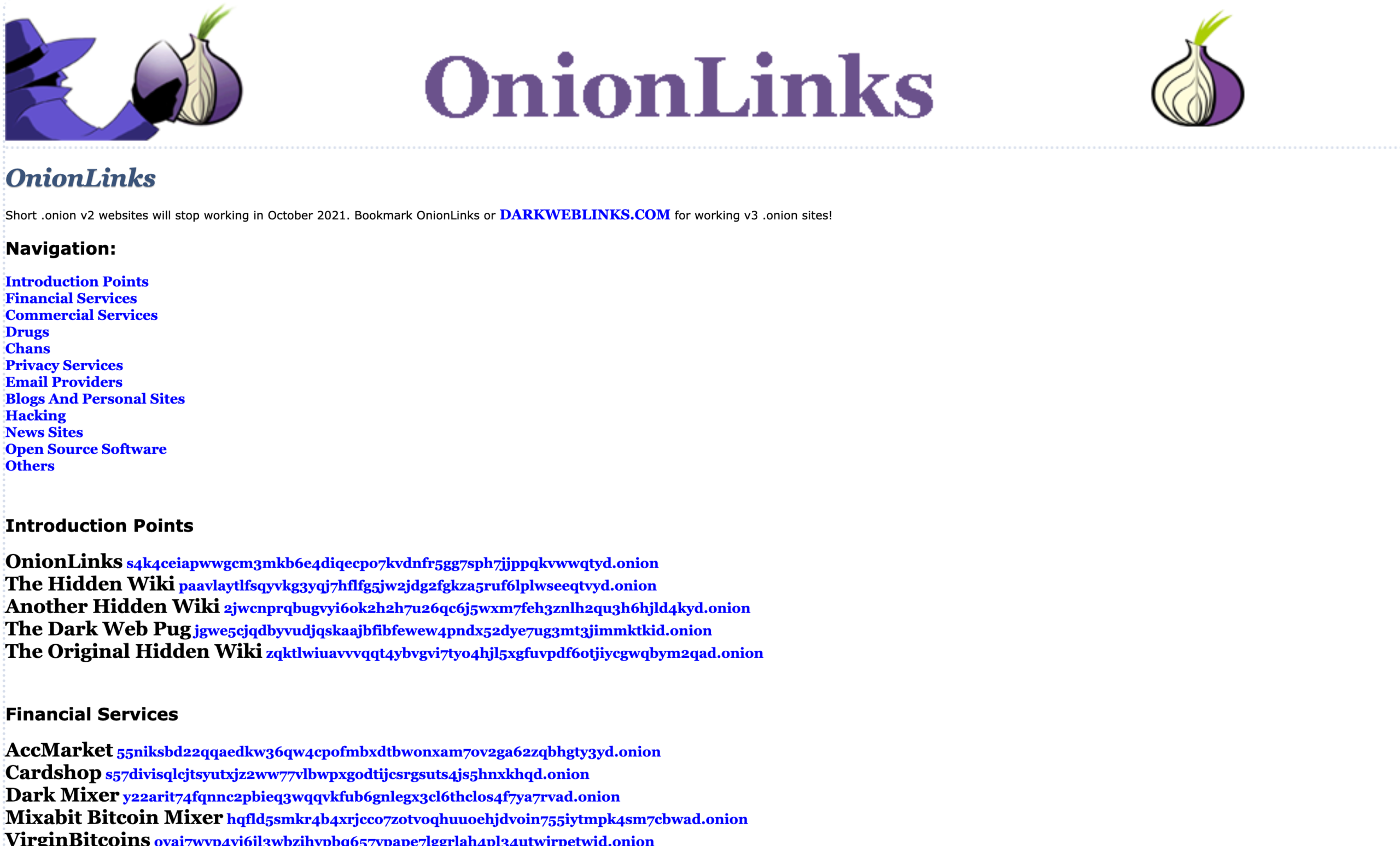
The client explains that the directory appeared to function as a central hub for darknet services, categorizing links under areas such as financial services, commercial services, and marketplaces. However, several of the sites listed within these categories appeared to request deposits before providing access.
After sending funds through cryptocurrency, the client reported that:
-
the service failed to provide the advertised access
-
support channels stopped responding
-
multiple links appeared to redirect to identical page layouts
These observations are consistent with common patterns seen in dark web directory scams.
Defining Terminology and Terms Throughout the OnionLinks Scam Report
Understanding the OnionLinks Scam report requires defining several key terms related to darknet infrastructure and online fraud.
Onion Directory
An onion directory is a website that organizes and lists Tor hidden services. These directories help users locate .onion websites because traditional search engines cannot index the Tor network.
Directories like OnionLinks often categorize services into areas such as:
-
financial services
-
drug marketplaces
-
communication platforms
-
privacy tools
-
commercial vendors
While some directories are legitimate indexes, others may list unverified or fraudulent services.
External reference:
https://www.torproject.org
Cryptocurrency Deposit Requests
Many darknet services require cryptocurrency deposits before allowing users to interact with their platform.
These deposits may be described as:
-
activation fees
-
account verification funds
-
wallet balances
-
escrow deposits
However, in many documented scams the deposit is simply transferred to a wallet controlled by the operator, with no service ever being provided.
This mechanism is frequently seen in directory-based funnel scams.
External reference:
https://www.chainalysis.com/blog/crypto-scams/
Directory Funnel Scams
A directory funnel scam occurs when a directory site appears to list independent services but actually directs users toward multiple websites controlled by the same operators.
These services often share:
-
identical page layouts
-
similar payment instructions
-
matching wallet structures
-
duplicated service descriptions
This creates the illusion of a large marketplace ecosystem when the listings may be operated by a single entity.
5 Warning Signs Identified in the OnionLinks Scam
Several indicators within the report suggest potential risks associated with the OnionLinks directory.
1. Large Volume of Unverified Listings
The OnionLinks directory contains dozens of services across multiple categories. However, there is no visible verification system, vendor reputation system, or trust scoring mechanism.
Legitimate directories typically include moderation history or user feedback systems.
2. High-Risk Financial Listings
Many listings involve cryptocurrency services such as:
-
mixers
-
bitcoin exchange services
-
financial escrow systems
These categories historically attract high volumes of scams due to the irreversible nature of cryptocurrency payments.
3. Repeated Website Templates
Several services listed in the directory appear to share identical site designs and navigation structures.
This can indicate the possibility that multiple listings are operated from the same backend infrastructure.
4. Deposit Requirements Before Access
Some linked services reportedly require payment before allowing users to interact with the platform.
While escrow deposits are common in darknet marketplaces, deposit-only systems without transparency may indicate fraudulent operations.
5. Lack of Visible Moderation
There is no clear moderation process, listing verification, or dispute resolution system visible within the directory itself.
Directories without moderation systems may unintentionally expose users to malicious services.
Final Analysis of the OnionLinks Scam Risk
Based on the client’s report and the structural characteristics of the directory, the OnionLinks Scam risk level should be considered elevated until additional verification mechanisms or independent reviews confirm the legitimacy of the listed services.
Directories that aggregate large numbers of darknet services without verification processes may expose users to higher levels of fraud risk.
Users navigating onion directories should:
-
verify services through independent forums
-
research wallet addresses associated with payment requests
-
avoid depositing cryptocurrency before confirming legitimacy
If additional users report similar experiences with services listed within OnionLinks, it may indicate the presence of a broader directory-based scam network.
Related Resources
Learn more about Tor network security:
https://www.torproject.org
Cryptocurrency scam awareness guide:
https://consumer.ftc.gov/articles/cryptocurrency-scams